Discovering Bugaboo's Hidden Gem: Cobalt Lake and Ridge
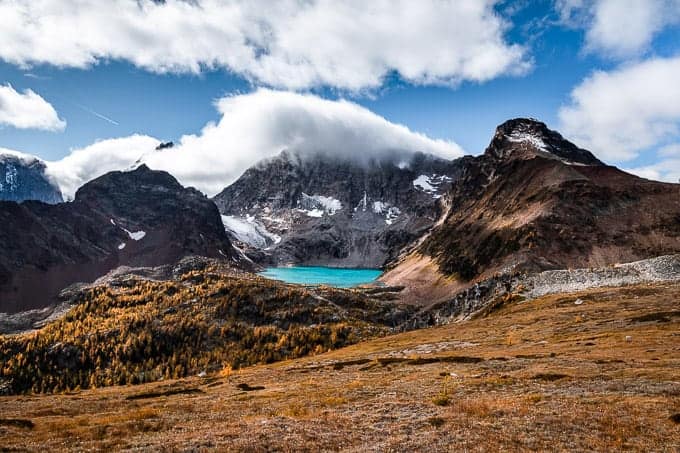
Nestled deep within the rugged embrace of Bugaboo Provincial Park lies a truly spectacular and often overlooked hiking destination: Cobalt Lake and its dramatic Cobalt Ridge. While the Bugaboos, affectionately known as 'The Bugs' by locals, are internationally celebrated as a mecca for world-class alpine climbing, the incredible hiking opportunities, particularly around Cobalt Ridge and Cobalt Lake in Bugaboo Provincial Park, remain a secret whispered among seasoned adventurers. Imagine stepping into a landscape so striking, with its jagged peaks and glacial tarns, that it could easily be mistaken for Patagonia – this is precisely the awe-inspiring experience that awaits. For those willing to venture beyond the popular climbing routes, the journey to Cobalt Lake promises a wilderness immersion like no other. Our own initial discovery of a photograph showcasing Cobalt Lake ignited an immediate excitement, its resemblance to the iconic South American wilderness too striking to ignore. While misty clouds sometimes shroud the most dramatic peak vistas, even on such days, the raw, untamed beauty of the Bugaboos unfolds in a dramatic display that leaves an indelible mark and a longing to return. This guide will equip you with everything you need to know to experience this Canadian Rockies marvel.Navigating the Journey to the Cobalt Lake Trailhead
Reaching the starting point for your adventure to Cobalt Lake requires navigating the infamous Bugaboo Forest Service Road. This isn't your average paved highway; known for its challenging conditions, a high-clearance 4x4 vehicle is strongly recommended to tackle the rough, unmaintained terrain. Many adventurers find the drive itself an initiation into the park's wild nature. The trailhead for Cobalt Lake is strategically located about 1.6 km back along the main Bugaboo Forest Service Road from the end (or from the parking lot that serves the Conrad Kain Hut, a popular base for climbers). If you reach the CMH Bugaboo Lodge, you've gone too far; turn back and watch for an uphill left-hand turn towards the Conrad Kain Hut parking lot. The Cobalt Lake pulloff is a short distance up this rougher, steeper section of road.Trailhead Specifics and Practicalities:
- Location: Approximately 1.6 km before the main parking area for the Conrad Kain Hut, or 1.3 km past the park turnoff (depending on your directional approach).
- Identification: Look for an obvious trail on the uphill side of the road, marked by a sign that reads "Cobalt Lake trail 4 hours." A hiker registry box is also present – always sign in and out for safety.
- Parking: Very limited. Expect space for only 3-4 vehicles in what amounts to a roadside ditch.
- Porcupine Precaution: This is a critical tip! Porcupines in the area are notorious for chewing on vehicle brake lines and tires, attracted to the salt. Bring your own supply of chicken wire to wrap around your vehicle's undercarriage and tires, especially if parking overnight. While they're mostly nocturnal, it's a wise precaution even during daylight hours.
- Off-Grid Reality: Crucially, there is *no cell phone reception* in Bugaboo Provincial Park. You must be entirely self-sufficient and prepared for any eventuality. This remote setting is part of the charm, offering a truly immersive wilderness experience. For a deeper dive into preparing for this remote trek, check out our Cobalt Lake Hike: Essential Guide to Bugaboo's Off-Grid Adventure.
The Ascent to Cobalt Lake and the Panoramic Cobalt Ridge
Once you've navigated the tricky road and secured your vehicle, the real adventure begins. The trail to Cobalt Lake immediately starts with a challenging, steep ascent, gaining elevation rapidly through a series of switchbacks. Much of the initial trail traverses an old cutblock, offering glimpses into the valley below as you climb.Hike Specifications:
- Elevation Gain: Sources vary, but expect approximately 3,200 feet (975 meters).
- Mileage: The common consensus for the round trip is around 10 miles (16 kilometers).
- Time: The trailhead sign suggests 4 hours one way, indicating a full-day commitment.
Essential Tips for Your Bugaboo Hiking Expedition
Hiking to Cobalt Ridge and Cobalt Lake in Bugaboo Provincial Park is a serious undertaking that demands thorough preparation. The remote, off-grid nature of the park means you are responsible for your own safety and well-being.Preparation is Paramount:
- Navigation: Do not rely solely on your phone. Carry a physical map and compass, and know how to use them. Download offline maps to a reliable GPS device or app.
- Gear:
- Footwear: Sturdy, broken-in hiking boots with good ankle support are essential for the steep, rocky terrain.
- Layers: Mountain weather can change dramatically and quickly. Pack moisture-wicking base layers, insulating mid-layers, and waterproof/windproof outer shells.
- Water: Carry plenty of water (at least 2-3 liters per person) and a reliable water filter or purification tablets.
- Food: High-energy snacks and a substantial lunch are crucial for a long, demanding day.
- Safety: A comprehensive first-aid kit, headlamp (even for day hikes), emergency shelter, and fire starter.
- Wildlife: Carry bear spray and know how to use it. Make noise on the trail. Report any wildlife sightings.
- Fitness: This is a challenging, full-day hike. Ensure you have a good level of physical fitness and endurance.
- Weather Awareness: Check the forecast diligently before heading out, but be prepared for anything. Alpine conditions are notoriously unpredictable.
- Leave No Trace: This pristine environment is delicate. Pack out everything you pack in, stay on marked trails, and minimize your impact. Respect wildlife and natural features.
Best Time to Visit:
The optimal time for hiking to Cobalt Lake and Ridge is generally from late July through early September. During this window, snow levels are typically at their lowest, and weather conditions are most stable, though early season snow or late season storms are always possible. Always check trail conditions before you go, especially in early summer when lingering snow can make route-finding challenging and add to the difficulty.
